
New Customer Hours
Mon - Sat: 9:00am - 5:00pm
Customer Care Hours
Mon - Sat: 9:00am - 5:00pm
>
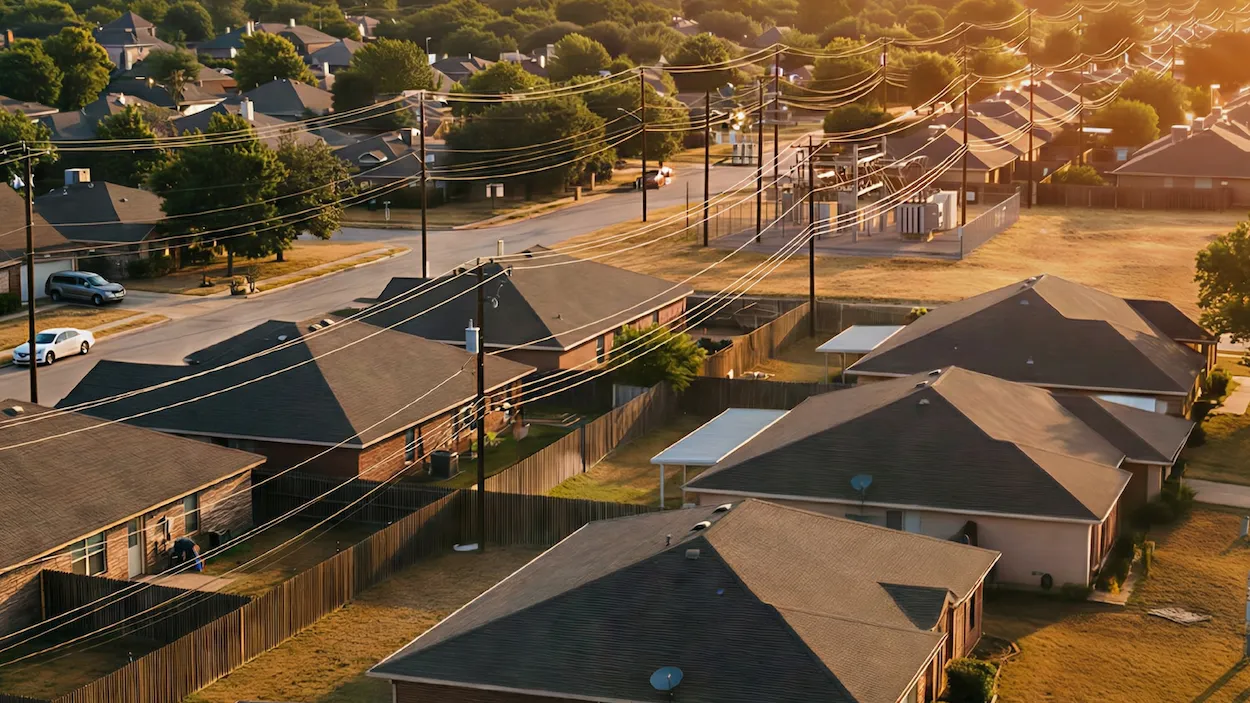
Ever cranked up the air conditioner on a scorching Texas afternoon — then checked your bill and winced? You’re not alone. What feels like a normal response to extreme summer heat can lead to surprisingly high electricity costs, all because of something called peak demand.
In Texas, electricity usage skyrockets during certain times of day — especially on hot summer afternoons and early evenings. This surge in energy use puts extra pressure on the electric grid, which can drive up prices for consumers, especially those on variable or time-of-use (TOU) rate plans.
Today, we’ll break down what peak demand is, why it happens, how it affects electricity rates, and what you can do to lower your energy costs — without sacrificing comfort.
What Is Peak Demand in Electricity?
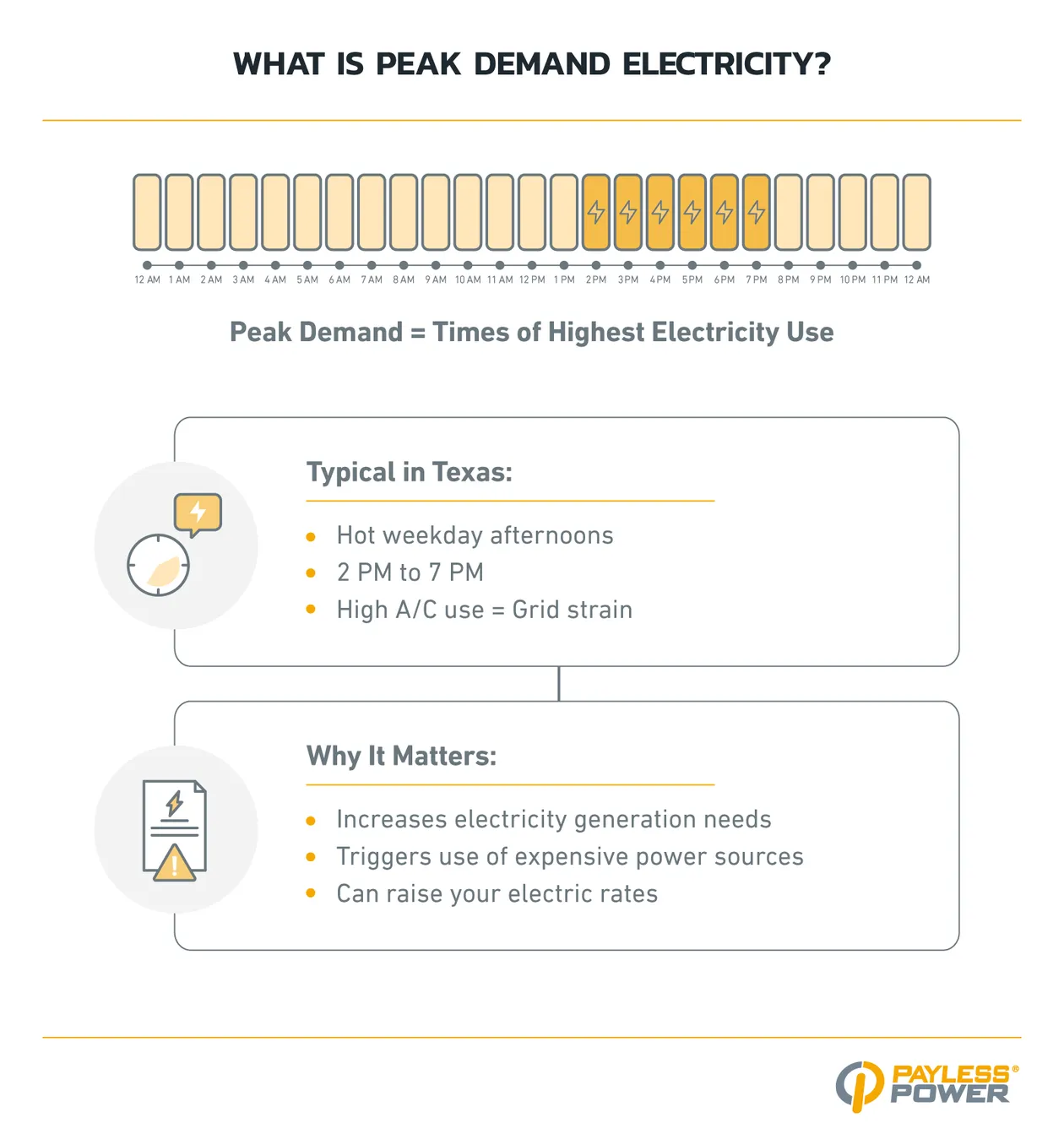
Peak demand is the time when electricity usage is at its highest — typically on weekdays during summer afternoons and early evenings. In Texas, this is when many households blast air conditioning to stay cool, leading to a surge in electricity demand.
When high demand strains the electric grid, power plants must quickly generate more electricity to keep up. That often means bringing less-efficient generators online, which increases both energy use and electricity consumption across the system.
Because generation capacity must be built to meet the highest possible usage, not just average demand, these short windows of power demand significantly affect how the whole grid operates and how much consumers pay.
Why Peak Demand Drives Higher Electricity Rates
When many people use electricity at once — such as during a heat wave around 5 PM — electricity consumption rises fast. This high demand puts pressure on supply, pushing providers to rely on more expensive energy sources. That, in turn, increases electricity rates, especially for those on time-of-use or variable-rate plans.
For example, if your plan charges more per kWh during peak times, running your air conditioner at 4 PM might cost you significantly more than using it at 10 PM. These price surges are passed on as energy charges, and in some cases, as separate demand charges.
Some utilities use peak demand billing, where your energy costs aren’t just based on total usage, but also on your highest 15-minute usage interval during the billing period. That one spike can inflate your entire electricity bill.
Understanding when peak electricity rates apply helps you avoid paying more than necessary.
When Does Peak Demand Usually Happen in Texas?
In Texas, peak demand hours typically hit during hot summer weekdays between 2 PM and 7 PM. These peak times coincide with when people return home, turn on lights, start cooking, and crank up the air conditioning — often all at once. That simultaneous electricity usage drives high demand on the electric grid, which can quickly raise energy bills.
Several key factors contribute to Texas’s predictable peak demand pattern:
- Summer heat. Extended heat waves dramatically increase electricity consumption as homes and businesses try to stay cool.
- Widespread HVAC use. Most buildings rely heavily on HVAC systems, especially in the late afternoon, pushing energy use to its highest peaks.
- Workday routines. People tend to return home and use more appliances during weekday evenings, creating consistent power demand spikes.
If you’re trying to reduce your electricity costs, it helps to shift your energy use to early mornings or late evenings — when usage is lower, and prices may drop if you’re on a time-sensitive plan.
How Peak Demand Affects Your Electricity Bill With Different Plan Types
The extent to which peak demand affects your electricity bill depends heavily on your plan type. While every household experiences higher energy consumption in the heat, the financial impact can vary:
- Variable or time-of-use (TOU) plans. These charge more during peak times, meaning electricity usage between 2 PM and 7 PM can significantly raise your electricity costs. As power demand increases, so does the rate you pay per kWh.
- Prepaid plans. With prepaid electricity, you pay a flat rate per kWh in advance, so you’re shielded from mid-contract rate hikes. However, managing your energy use during off-peak hours can still help lower your daily energy costs.
- Commercial or high-use customers. These customers may face peak demand charges, where a brief spike in usage — such as running multiple machines simultaneously — can inflate monthly electricity rates.
So, should you leave peak demand “on” or try to avoid it? If your plan is variable, shifting your usage to off-peak hours makes sense. For prepaid users, it’s more about managing total energy consumption than timing, though off-peak habits can still stretch your dollar.
Practical Strategies To Reduce Peak Demand and Save on Energy Costs
Lowering your electricity usage during peak demand hours doesn’t mean sacrificing comfort. Making a few minor adjustments in timing and habits can lead to noticeable savings on your energy bills.
Here are some practical ways to manage energy use and improve energy efficiency:
- Shift major appliance use to off-peak hours. Run dishwashers, washing machines, and dryers early in the morning or late at night.
- Raise your thermostat a few degrees. Setting it to 78°F or higher during peak times reduces HVAC strain.
- Avoid heavy air conditioning use from 2–7 PM. Use ceiling fans or shades to stay cooler without maxing out your system.
- Charge electric vehicles overnight. Nighttime rates may be lower, and you’re not adding stress to the electric grid.
- Use energy-efficient appliances. Upgrading to ENERGY STAR®-rated devices can reduce long-term electricity consumption.
- Seal and insulate your home. Prevent cool air from escaping, so your air conditioning doesn’t have to work overtime.
These changes help reduce power demand and avoid demand charges, all while making your electricity costs more manageable — no matter your plan type.
What Happens to the Electric Grid and Emissions During Peak Demand?
When peak electricity usage hits, the electric grid must respond quickly to meet demand. That often means reaching the limits of existing generation capacity and activating additional power plants — many of which are less efficient and more polluting.
Here’s what that means in broader terms:
- Strain on infrastructure. The electric grid wasn’t built to handle extreme and sustained spikes in electricity consumption, which can lead to reliability issues and blackouts.
- Increased emissions. During peak demand, the system often turns to older fossil-fuel plants, which release more emissions per unit of electricity generated.
- Higher system-wide energy costs. As energy use climbs and more expensive resources are used, wholesale prices rise — and those costs often get passed down to consumers.
Reducing energy use during peak periods doesn’t just help your wallet. It supports a cleaner, more stable energy system for everyone.
Avoid Peak-Time Surprises on Your Electricity Bill

Peak demand isn’t just a technical term — it’s a major factor influencing your electricity rates and energy costs, especially during hot Texas summers. When energy consumption surges between 2 PM and 7 PM, it can trigger higher prices, increased strain on the electric grid, and higher emissions from older power plants.
By choosing the right plan — like a prepaid option that avoids mid-contract rate hikes — and using smart strategies to shift your electricity usage to off-peak hours, you can stay in control of your monthly energy bills. Even small shifts in timing and habits make a difference.
Want to avoid surprise rate increases and take charge of your energy spending? Enroll with Payless Power today.
Payless Power is a thought leader in the energy industry, focusing on technology, innovation, and accessibility. The company's expertise includes the Texas energy grid, infrastructure improvements, weatherization safeguards, and the advancement of clean, renewable resources. Since 2005, Payless Power has provided energy solutions to residences and businesses across the Lone Star state.
Related Posts
-
 How Tidal Energy Works and Its Potential as a Renewable Energy Source
-
 Hydrogen Fuel Cells: The Advantages and Challenges
-
 The Impact of Electric Vehicles on the Power Grid
-
 The Impact of Energy Efficiency on Urban Sustainability
-
 The Promise of Geothermal Energy: An Underutilized Resource?
-
 Wind Energy: The Pros and Cons of Onshore vs. Offshore Turbines
What our customers are saying
See why our power customers say we're the best electricity provider in Texas!

I was worried about getting electricity for my home through a prepaid company. I was calling around to see different rates then going through all the hassle of credit checks while dropping points each…
I have been with this company for several years and have been very happy since. Even when I moved, they made my usually stressful situation very easy and carefree. I recommend them to everyone that I…
I have enjoyed the service for 2 years now. In the beginning this service was planned to be temporary but with the service being so effective for me i decided to keep it for the long haul. I’m a happy customer.
*Same-day connection is available Monday through Saturday when you fund your account before 6:00 PM. Accounts funded after 6:00 PM, on Sundays, or on holidays will be connected first thing the next morning. Actual timing depends on your local utility company. Connection times are not guaranteed and may be delayed due to meter issues, switch holds, system outages, or weather. Our support team is always standing by to help.
About Payless Power
Payless Power wants to be your Texas electric company.
Whether you live in a large city or small town, Payless Power can save you money on your Texas electricity. We serve customers in over 400 deregulated communities in Texas with both traditional, postpaid plans on monthly billing cycles, and prepaid electricity that is pay-as-you-go with no deposit or credit check required.
We work with principal utilities throughout the state to provide electricity. The utilities are: Oncor in the Dallas and Fort Worth Metroplex and various parts of West Texas; CenterPoint Energy in Houston and the surrounding areas; AEP Central in Corpus Christi and surrounding areas; and AEP North in Abilene and other North Texas communities.